
Accreditation of Laboratories for Sampling and Measurement of Dioxins and Furans in Emissions from Stationary Sources
One of the objectives of the GEF-UNIDO demonstration project on the coordinated management of the disposal of ozone-depleting substances (ODS) and persistent organic pollutants (POPs) in Belarus, Ukraine, Kazakhstan and Armenia is to address the lack of technologies and capacity in the participating countries for the effective and environmentally safe destruction of hazardous wastes regulated by the Montreal Protocol (ODS) and the Stockholm Convention (POPs).
To achieve this objective, the project envisages the creation of centres for the destruction of ODS and POPs, including polychlorinated biphenyls (PCBs). One of the main requirements for the waste destruction process, alongside efficiency and productivity, is the highest possible level of safety for the environment and human health.
Dioxins and Furans
An important indicator of the safety of the destruction process is the compliance of the content of harmful substances in the exhaust gases with international and national sanitary and environmental standards.Particular attention in the organisation of hazardous waste destruction is paid to the content of dioxins and furans in the emissions.
Polychlorinated dibenzo-p-dioxins (dioxins) and polychlorinated dibenzofurans (furans) are two structurally similar groups of polychlorinated organic substances. These substances are classified as persistent organic pollutants, which are characterised by their ability to accumulate in living organisms and to increase in concentration when moving up the food chain. 2,3,7,8-Tetrachlorodibenzo-p-dioxin is one of the most toxic synthetic substances known.
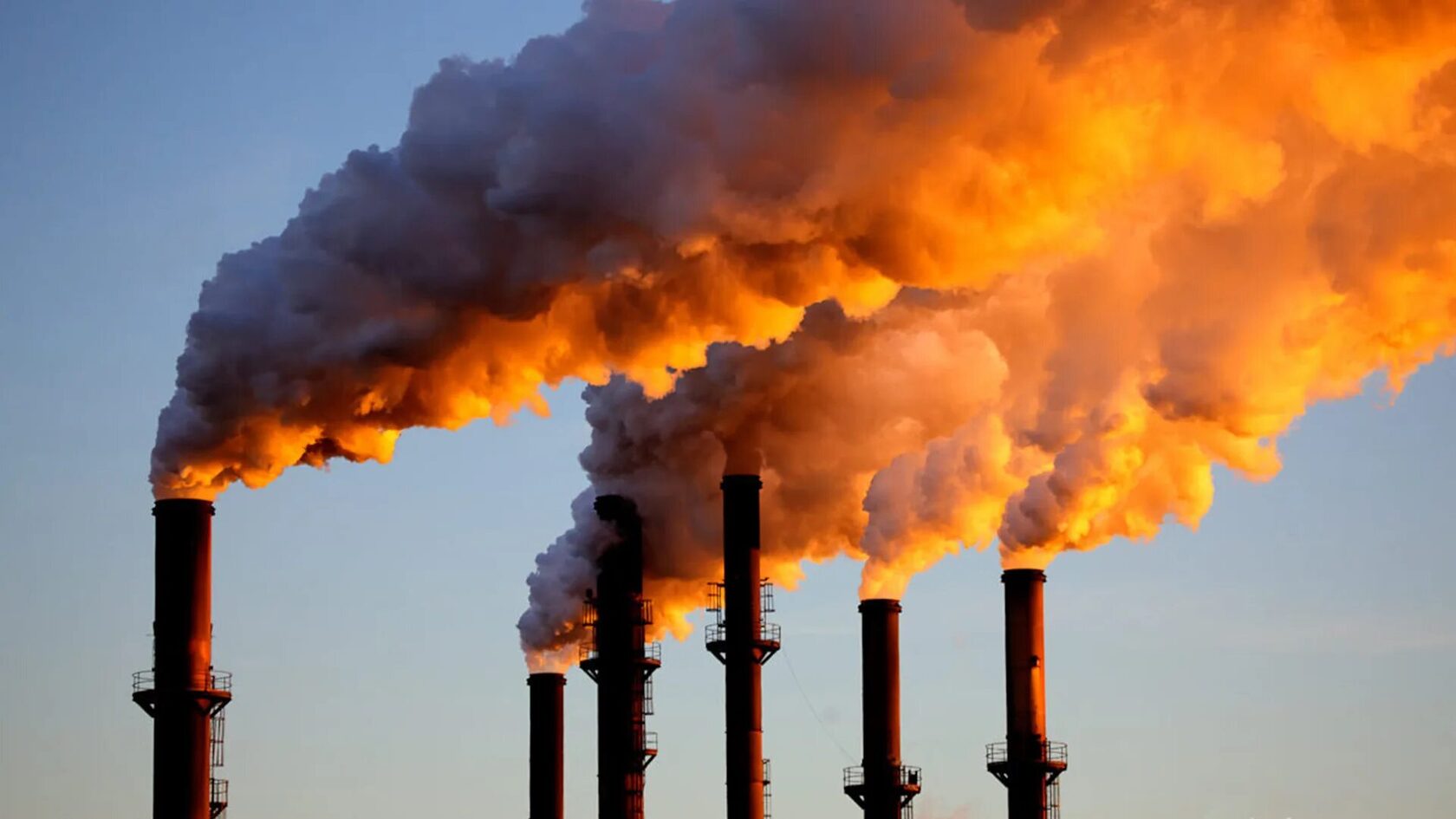
Open burning of waste, including the burning of landfill sites, is one of the known sources of dioxin formation and emissions. The process of incinerating hazardous waste can also be accompanied by the formation of dioxins and furans. Therefore, to ensure the safety of the process, it is necessary to monitor that their concentration in the exhaust gases does not exceed the permissible value.
Sampling and measurement of the concentration of harmful substances is carried out by specialised laboratories. There are very few such laboratories in the world, which is why the accreditation of the laboratories of the State Institution “Republican Centre for Analytical Control in the Field of Environmental Protection” (Republic of Belarus) for the sampling and measurement of polychlorinated dibenzo-p-dioxins and dibenzofurans in emissions from stationary sources has become an important event.
State Institution “Republican Centre for Analytical Control in the Field of Environmental Protection”
The State Institution “Republican Centre for Analytical Control in the Field of Environmental Protection” was established by Resolution of the Council of Ministers of the Republic of Belarus No. 1692 dated 24 December 2009.The Centre is an organisation subordinate to the Ministry of Natural Resources and Environmental Protection of the Republic of Belarus and is the only organisation in the country that carries out independent sampling and measurements at enterprises across the republic in the field of environmental protection, including the monitoring of specific parameters for the most significant ones.
The main goal and subject of the Centre’s activities is to participate in the implementation of state policy in the field of environmental protection and rational use of natural resources.
One of the areas of the organisation’s work is the sampling and performance of measurements in the field of environmental protection. To this end, various laboratories have been established within the structure of the Centre.
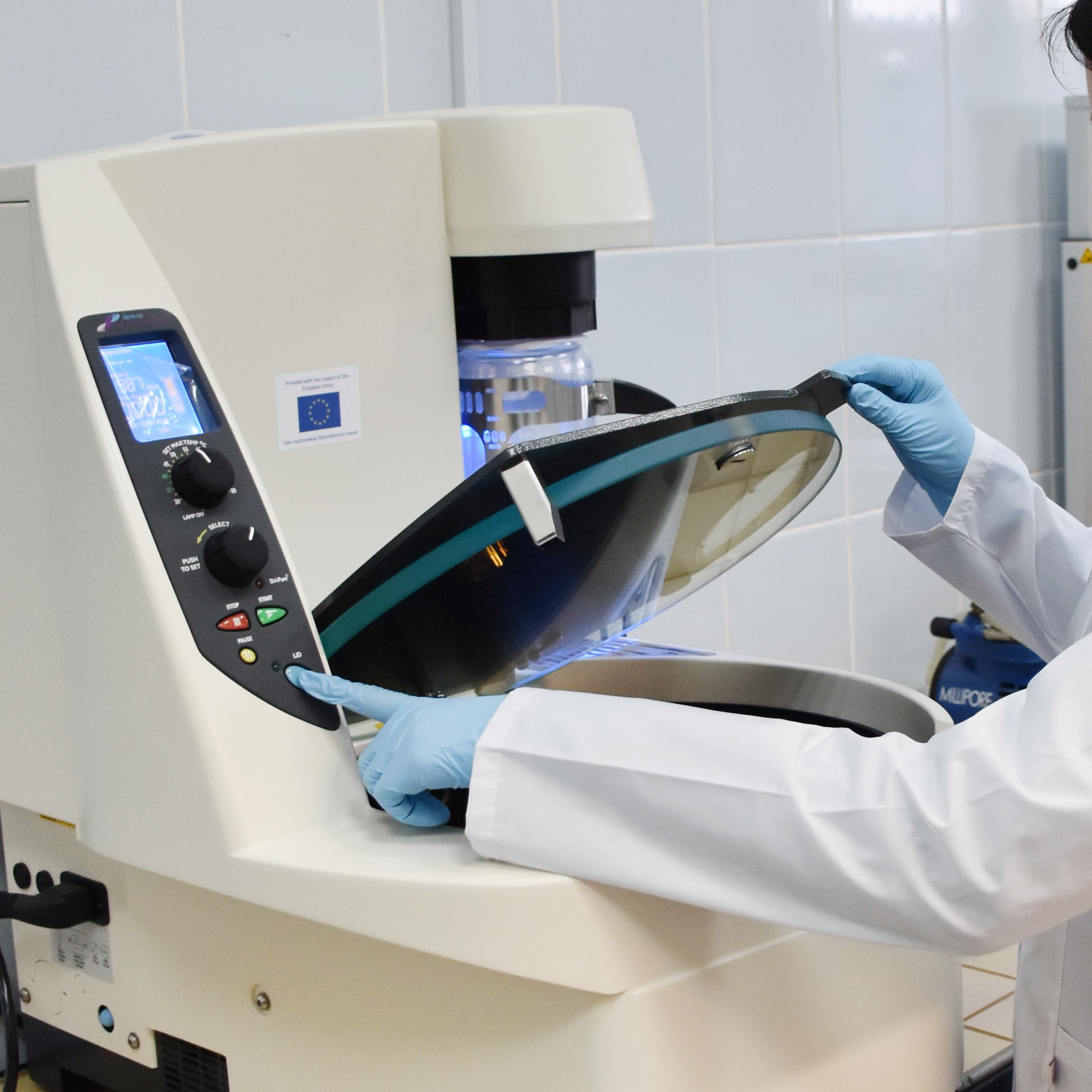
In March 2022, the Laboratory for Analytical Control of Emissions into the Atmospheric Air of the Centre took part in international inter-laboratory comparisons on the sampling of dioxins and furans in industrial emissions with the laboratory of NPO “Taifun” (Russian Federation). In the same year, the Laboratory for Analytical Control of Emissions into the Atmospheric Air and the Laboratory of Physico-Chemical Measurements of the Centre expanded their scope of accreditation, becoming the first laboratories in the Republic of Belarus accredited for the sampling and measurement of polychlorinated dibenzo-p-dioxins and dibenzofurans.
The Centre’s instrumentation base allows the detection of even trace concentrations of pollutants generated as a result of waste destruction by incineration.
Support was provided by the project to the laboratory for the purchase of laboratory equipment, chemical reagents and standards necessary for the measurement of polychlorinated dibenzo-p-dioxins and dibenzofurans.